
BoVegas Canada bonuses and real money casino
March 26, 2025Managing software licenses can be a daunting task, especially for large organizations. Deploying effective kms activation strategies can significantly enhance your software management processes, reduce costs, and improve efficiency. This article explores various aspects of kms activation, providing insights into how it can be leveraged to optimize software use in your organization.
Understanding KMS Activation
KMS, or Key Management Service, is a technology used for activating software licenses within an organization. It allows businesses to manage volume licensing efficiently by activating multiple licenses at once. The process involves a KMS server that communicates with Microsoft’s activation servers to validate product keys and activate software. This method simplifies the management of digital licenses across numerous machines.
The Role of Volume Licensing in KMS Activation
Volume licensing is crucial for organizations needing to deploy software across numerous devices. Instead of individually entering a product key for each system, kms activation allows IT departments to use a single key per product that’s valid across all enterprise machines. This significantly reduces the administrative overhead associated with manual license management.
Benefits of Using KMS Activation
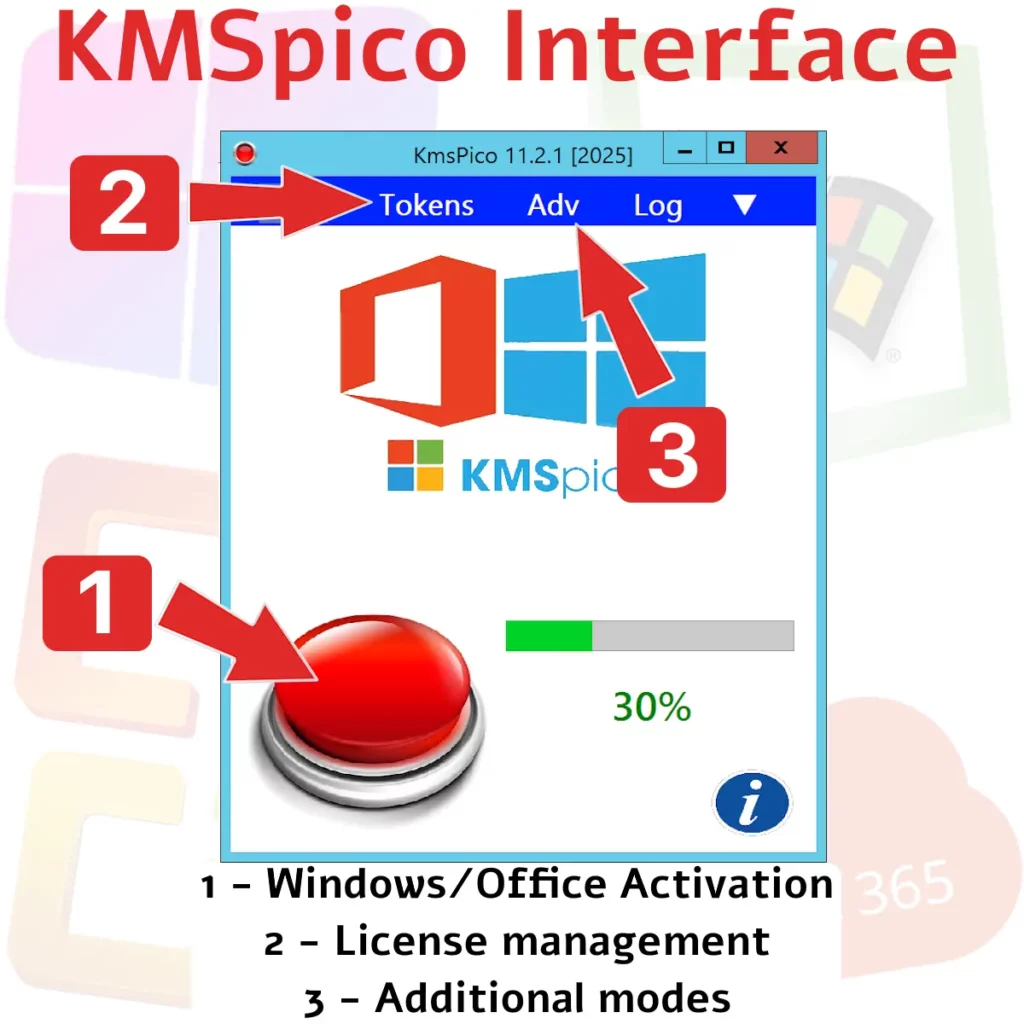
Implementing kms activation offers several advantages. It automates the software activation process, ensuring compliance with minimal manual intervention. Moreover, it supports various operating systems including Windows 7, Windows 10, and Windows 11 via tools like kmspico official and other windows activator methods. By reducing the need for individual activations, organizations can also decrease potential downtime and streamline operations.
KMS Activation in Different Operating Systems
KMS activation is versatile and supports multiple operating systems seamlessly. Whether you’re using a Windows 10 activator free download or kmspico for windows 11, this process remains consistent across platforms. Each version has its specific nuances that must be respected during deployment; however, the core objective of simplifying software license management remains constant.
Key Considerations for Implementing KMS Activation
- Network Configuration: Ensure your network settings allow communication between client devices and the kms server.
- Server Requirements: Your KMS server should meet minimum system requirements: VM with at least 2 vCPUs and 4 GB RAM is recommended.
- License Compliance: Regularly audit your volume licensing to stay compliant with Microsoft policies.
Common Tools and Commands Used in KMS Activation
The successful implementation of kms activation often involves various tools and commands. A common tool used is DISM (Deployment Image Servicing and Management), which helps configure Windows images before deployment. Understanding these tools ensures smooth troubleshooting and maintenance of the kms setup.
Troubleshooting Common KMS Activation Issues
Inevitably, technical issues may arise during kms activation. Common problems include network connectivity issues or misconfigured KMS servers. Ensuring all client devices can reach the kms server on the correct ports is critical. Additionally, regular updates to both the server’s operating system and the activation server itself help avoid compatibility issues.
The Role of Regular System Audits in KMS Activation
A proactive approach to license compliance involves conducting regular audits using tools like kmspico 11 or other auditing solutions. These audits help identify any discrepancies in activation records and ensure that all systems are correctly activated under the current volume licensing agreement.
Snapshot Timing for Effective License Management
In virtual environments, timing snapshots can prevent data loss during system rollbacks or errors in license states post-deployment modifications. Implement regular snapshot schedules that align with major system updates or changes in license configurations to safeguard against activation issues.
KMS Activation for Cost Efficiency
Kms activation not only streamlines operational efficiency but also enhances cost-effectiveness by reducing unnecessary expenditure on individual licenses. Organizations leveraging kms effectively can reallocate resources towards more critical areas such as IT infrastructure improvements or employee training programs.
Kms activation fundamentally changes how organizations handle their software deployments by shifting focus from individual machine activations to collective management through centralized servers. This centralized approach not only minimizes workload but also enhances security by enabling better oversight over active licenses within an organization’s network infrastructure.
The flexibility offered by kms activation makes it adaptable for various organizational setups—from small businesses looking to streamline their internal processes to large enterprises managing thousands of devices globally. The ability to tailor this solution according to specific business needs ensures that companies remain agile and responsive to technological advancements without being bogged down by cumbersome licensing protocols.
With constant updates from Microsoft regarding new product releases and support policies, staying informed about changes impacting kms functionality is vital for any organization relying on this system. A dedicated team responsible for monitoring these developments can help ensure seamless transitions during updates while maintaining uninterrupted service delivery across all endpoints.
In conclusion, implementing robust kms activation strategies provides numerous benefits ranging from improved efficiency to cost savings. By understanding the nuances of this technology and maintaining best practice deployments through proper configuration and ongoing audits, organizations can maximize their return on investment while keeping their IT operations streamlined and compliant.
This comprehensive understanding of kms activation enables organizations to establish more strategic planning around their IT resources allocation and futureproofing their technological infrastructure against evolving demands. By integrating these practices into daily operations, businesses not only achieve smoother functionality but also gain a competitive edge through optimized resource management and enhanced operational agility.
The power of kms activation lies in its ability to simplify complex licensing protocols while delivering consistent results across various platforms and environments. As technology continues to evolve rapidly, adopting such robust solutions equips companies with the necessary tools to navigate future challenges effortlessly while driving innovation through smarter resource utilization strategies.

