
Custom Print Shop: Your Go-To for Advertising Solutions
April 14, 2026
Fast Printing Services Richmond Hill: Comparing C17 Media vs. Local Providers for Quick Print Solutions
April 15, 2026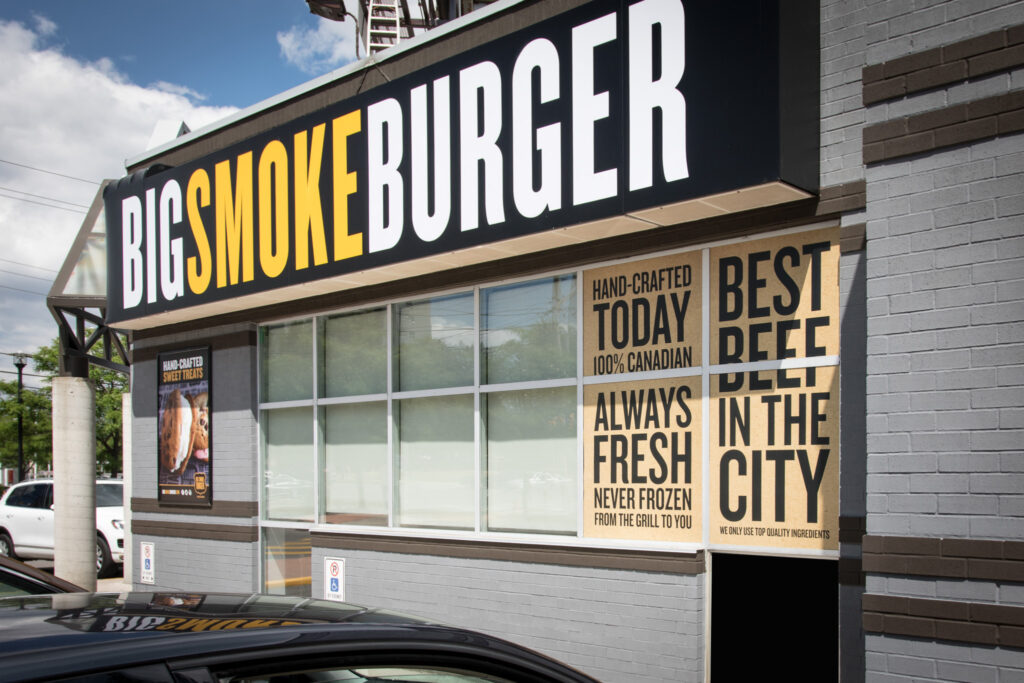
Toronto businesses need ways to stand out and draw customers. Custom signage boosts brand visibility and marketing reach. This article covers the main types of business signs, the design and fabrication steps, installation and maintenance needs, and how to choose signage that fits your brand and operations.
What Types of Custom Business Signs Are Available in Toronto?
Custom signs serve different purposes and deliver distinct benefits. They help you communicate your brand and attract customers. Common types include storefront signs, LED signage and vehicle wraps — each designed to improve visibility and engagement.
How Do LED Signs and Vehicle Wraps Enhance Brand Visibility?

LED signs and vehicle wraps raise brand visibility. LEDs display changing messages that catch attention in high-traffic areas. Vehicle wraps turn company vehicles into mobile ads that reach people across the city. Together, they increase recognition and offer cost-effective advertising.
Research supports the impact of LED signs on advertising effectiveness.
Outdoor LED Sign Effectiveness for Business Advertising
This 2011 study provides empirical evidence of the effectiveness of outdoor LED advertising signs.
The Effectiveness of Outdoor LED Advertising Signs., 2011
What Are the Benefits of Custom Storefront and Outdoor Business Signs?
Custom storefront and outdoor signs can boost foot traffic, reinforce brand identity and engage passersby. Well‑designed signs encourage people to explore your offerings. Effective signage can increase sales, making it a worthwhile investment.
How Does the Sign Design and Fabrication Process Work?
Sign design and fabrication follow a clear series of steps to meet your specifications and branding. You collaborate with signage experts to define size, materials and the intended message, keeping the final sign aligned with your marketing goals.
Which Materials and Technologies Are Used in Custom Signage?
Common materials include acrylic, metal and vinyl for durability and visual appeal. Digital printing and laser cutting improve precision and finish. These choices enhance appearance and help signs withstand the elements for long‑term performance.
How Is Personalized Service Delivered by Toronto Signage Experts?
Toronto signage experts provide personalized service beginning with a detailed consultation to learn your vision. They tailor design options to your needs and provide post‑installation support to keep signs in good condition.
What Should Businesses Know About Sign Installation and Maintenance in Toronto?
Knowing installation and maintenance requirements helps you protect your investment. Professional installation secures and positions signs for optimal visibility, while regular maintenance keeps signs looking and working their best.
How Long Does Professional Sign Installation Take?
Installation time varies with sign complexity and location. Typically it takes a few hours to a couple of days. Weather and permit needs can affect the timeline, so plan to minimise disruptions.
What Are Best Practices for Maintaining Outdoor Business Signs?
Clean signs regularly, inspect for wear and confirm lighting is working. Use weatherproofing to protect materials and extend lifespan. Routine upkeep preserves appearance and function.
How Can Toronto Businesses Get Accurate Pricing and Permitting Information?
Understanding pricing and permits helps avoid delays and unexpected costs when investing in custom signage.
What Factors Influence the Cost of Custom Signage Solutions?
Cost depends on material choice, design complexity and installation requirements. High‑quality materials and intricate designs raise prices. Specialized equipment or labour can add to the cost. Request detailed quotes to see the full scope of expenses.
How Do Permits Affect Commercial Signage Installation in Toronto?
Permits are a key part of the installation process. In Toronto, rules cover sign size, placement and design. The permitting process varies by sign type and location. Work with signage experts to ensure compliance and avoid fines or delays.
Understanding local regulations is vital to keep your signage projects compliant with the law.
Toronto Sign Permit Requirements & By-Laws
The following signs are permitted and may be erected, displayed, modified or restored in all sign districts without obtaining a sign permit under this chapter provided they comply in all
SIGNS, GENERAL
| Factor | Description | Impact Level |
|---|---|---|
| Material Costs | The choice of materials significantly affects overall pricing. | High |
| Design Complexity | Intricate designs require more time and resources, increasing costs. | Medium |
| Installation Factors | Specialized installation may incur additional labor costs. | High |
The table shows how different factors influence total signage cost and why careful planning and budgeting matter.
In conclusion, custom signage helps Toronto businesses raise visibility and marketing impact. By knowing the types of signs, the design and fabrication process, installation and maintenance needs, and pricing and permitting details, you can make informed choices that match your branding and operations. C17 Media specialises in tailored business signs in Toronto, designing each sign to meet the unique needs of every client.
Frequently Asked Questions
What is the average lifespan of custom signage?
Sign lifespan varies by material and environment. High‑quality metal or acrylic signs typically last five to ten years or longer with proper maintenance. Outdoor signs face weather wear, so regular upkeep is essential. Consult signage experts to choose materials that suit your location and use.
Can businesses change the design of their signage after installation?
Yes. Changing a sign can require extra time and cost. Updates might be simple, like new graphics, or they may need a full redesign with new materials and reinstallation. Talk to your signage provider to understand the implications and any regulatory requirements.
What are the common mistakes to avoid when ordering custom signage?
Avoid these common mistakes: unclear branding or messaging; ignoring local rules on size and placement; poor readability from a distance; and skipping maintenance budgets. Working with signage professionals reduces these risks.
How can businesses ensure their signage complies with local regulations?
Learn the local sign laws on size, placement and design first. Consult a signage expert who knows the permitting process. Obtain required permits before installation and review regulations periodically to stay current.
What role does color play in the effectiveness of signage?
Colour affects visibility, recognition and emotion. Bright, contrasting colours improve readability; brand colours reinforce identity. Blue often signals trust, while red can create urgency. Choose colours that stand out and suit your audience and message.
Are there eco-friendly options for custom signage?
Yes. Options include recycled plastics, bamboo and biodegradable materials. Energy‑efficient LED lighting cuts power use. Digital signage reduces material waste and makes updates simple. Eco-friendly choices can strengthen your brand with environmentally conscious customers.
Conclusion
Custom signage is a key tool for Toronto businesses aiming to boost visibility and marketing effectiveness. By understanding sign types, design and installation processes, and the role of maintenance and permits, you can choose solutions that align with your goals. Partnering with experts like C17 Media ensures signs are tailored to each client’s needs. Take the next step by exploring our comprehensive signage services.