Why Does Every Retail Refresh Blow the Budget?
July 31, 2026
How Long Do Architectural Films Actually Last?
August 7, 2026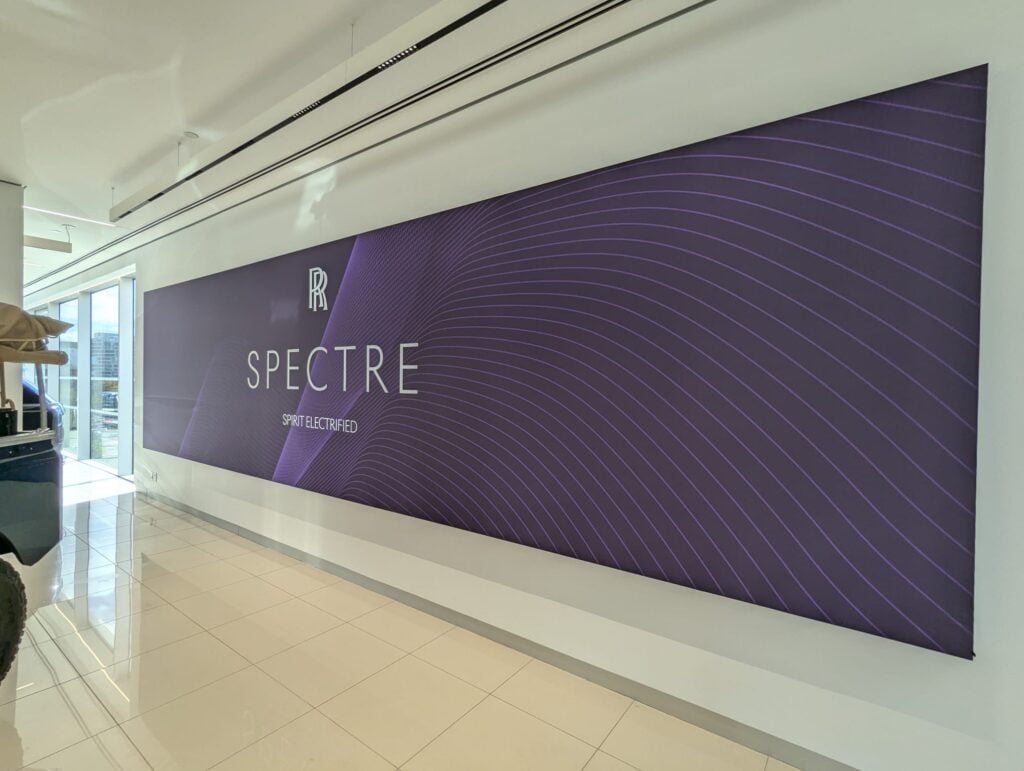
Large format printing turns a brand into something people can read from across a parking lot or a busy trade show floor. In Richmond Hill and across the Greater Toronto Area, it covers banners, backlit signage, retail displays, fabric graphics, window film, and full architectural finishes, all produced at a scale a standard office printer cannot reach. This guide walks through the formats, the print methods behind them, and how to choose a partner that delivers on time and on budget.
Key Takeaways
- Large format printing covers any graphic too big for a desktop printer, from a 3 by 6 foot banner to a wall that spans an entire lobby.
- The right print method depends on the surface. Dye-sublimation suits fabric, latex ink suits vinyl and wall graphics, and direct-to-substrate handles rigid boards.
- Signage pays for itself. Businesses that improved their signage reported roughly 10 percent gains in sales, profits, and transactions.
- C17 Media prints up to 16 feet wide without a visible seam and welds precise seams for anything larger, from its shop at 30 West Beaver Creek Rd in Richmond Hill.
- Ask about proofing, material certifications, installation, and turnaround before you buy, not after.
What is large format printing, and what can Richmond Hill businesses order?
The global large format printer market is projected to grow from USD 7.94 billion in 2025 to USD 10.36 billion by 2030, a compound annual growth rate of 5.5 percent, according to MarketsandMarkets. That growth is spread across signage and advertising, décor, apparel and textile, and technical printing, which is exactly the range a busy commercial shop handles in a single week.
Large format printing simply means any graphic produced too big for a desktop or office printer, usually anything wider than about 24 inches. For a Richmond Hill business, that translates into a practical menu of products:
- Banners and building wraps for storefronts, events, and construction hoarding
- Rigid signage on acrylic, aluminum, PVC, foamboard, gatorboard, sintra, and styrene
- Retail point-of-purchase and point-of-sale displays that guide shoppers to a product
- Posters and backlit graphics for windows, lightboxes, and lobbies
- Printed fabric for trade show backdrops and tension-frame displays
- Window film, from frosted privacy vinyl to perforated one-way vision graphics
- Architectural finishes that resurface walls, doors, elevators, and furniture
C17 Media has produced this full range from Richmond Hill since 2010. If you are still deciding which product fits your goal, the large format printing service page breaks the categories down with examples.
Which print method fits your project: dye-sublimation, latex, or direct-to-substrate?
The answer depends less on the design and more on the surface it lands on. A print method that looks perfect on fabric can crack on rigid board, so matching ink to substrate is the single most important technical decision in the job.
Three methods cover most commercial work:
- Dye-sublimation bonds ink into polyester fibres with heat. It is the right choice for recyclable, machine-washable fabric used in trade show displays and backdrops, where the finish needs to fold, travel, and hang without a laminate.
- Latex ink is water-based and low-odour, which makes it well suited to vinyl, wall graphics, and interior work where the space will be occupied soon after install.
- Direct-to-substrate printing lays ink straight onto rigid material such as acrylic, aluminum, or corrugated plastic, so a sign does not need to be printed, laminated, and mounted as three separate steps.
Size matters as much as method. C17 Media prints up to 16 feet wide without a visible seam, then joins larger pieces with precision-welded seams so a stadium-scale banner still reads as one continuous image. For projects that mix large format with high-volume commercial runs, the digital and offset printing side of the shop covers brochures, stationery, and packaging in the same production window.
Do banners and signs actually bring in customers?
Yes, and the research is specific. Businesses that updated their on-premise signage reported increases of roughly 10 percent in sales, profits, and number of transactions, according to a University of Cincinnati Economics Center study reported by Printing News. The same coverage cites a FedEx Office survey in which three out of four consumers said they had entered a store or told a friend because a sign made the business stand out, and about two thirds of them went on to make a purchase.
A banner is often the cheapest square foot of advertising a small business will ever buy, and it works around the clock. For a Richmond Hill retailer or restaurant, the practical playbook is straightforward: a durable outdoor banner for the storefront, window graphics to convert foot traffic, and interior signage that reinforces the offer at the shelf. Mesh banners handle wind loads on fences and scaffolding, while opaque and translucent vinyl suit lightbox and backlit applications. You can see how these hold up in real installations in the C17 Media guide to commercial banners in Richmond Hill.
The case for large format
What large format printing returns
Market growth, measured sales lift, and production reach.
University of Cincinnati Economics Center via Printing News; CEIR via PCMA; MarketsandMarkets.
Trade shows and retail: fabric displays and POP that get noticed
Exhibitions still command real budget. Face-to-face exhibitions account for 41 percent of exhibitors’ marketing budgets, the single largest share, according to a late-2025 Center for Exhibition Industry Research report summarized by PCMA. If your team is spending that kind of money to be in the room, the graphics that fill the booth are not a place to cut corners.
Printed fabric has become the default for booth backdrops because it travels light, resists creasing, and can be machine washed between shows. Tension-frame displays stretch a dye-sublimated graphic drum-tight for an even, glare-free surface, and the same fabric works for hanging banners and pop-up walls. On the retail side, point-of-purchase and point-of-sale displays printed on corrugated plastic, foamboard, or premium cardstock steer shoppers toward a promotion at the exact moment they decide. Explore material and finish options on the fabric printing page, then look at delivered booths and campaigns in the C17 Media portfolio.
Architectural finishes: refresh a space without a full renovation
Not every large format job is a sign. Architectural finishes use printed and textured films to resurface walls, doors, elevators, desks, and existing furniture, so a dated lobby can look current without demolition. C17 Media installs 3M DI-NOC finishes, which carry a Class A fire rating and come in hundreds of styles and textures, and the company positions the approach as a way to save up to 80 percent of a comparable renovation cost while a space stays open.
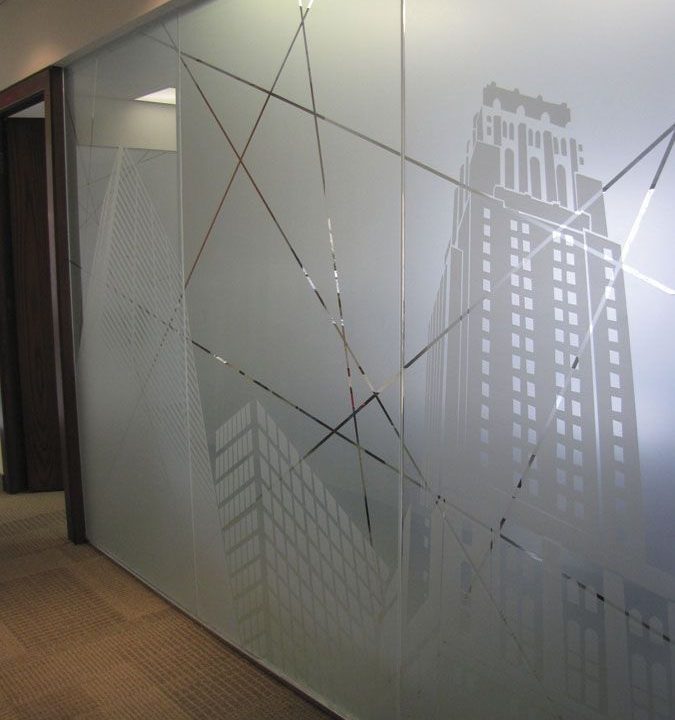
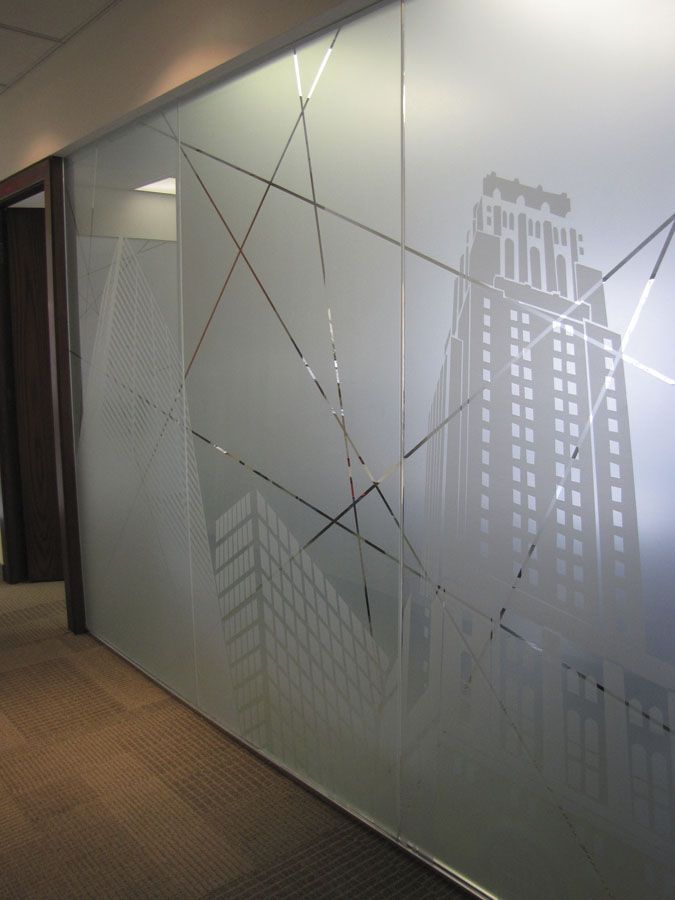
The appeal for a Richmond Hill office, clinic, or restaurant is downtime. Resurfacing a reception desk or a bank of elevator doors happens in hours, not weeks, and the micro-overlay films are durable enough for high-traffic commercial use. Decorative and frosted glass films add privacy and branding to meeting rooms without the cost of etched or replaced glass. The full range of finishes and surfaces sits on the architectural printing page.
How to choose a large format printer in Richmond Hill
Price is easy to compare. Everything that determines whether the job actually works is not. Before you approve a purchase order, work through this checklist:
- Proofing. Ask for a colour-accurate proof before the full run. A brand red that drifts on a 12-foot banner is expensive to reprint.
- Material and certification. Confirm the substrate suits the environment, indoor versus outdoor, and ask about ratings like Class A fire-rated film for interior architectural work.
- Installation. Large graphics live or die on the install. C17 Media uses 3M-certified installers, which matters for wraps, window film, and architectural finishes.
- Turnaround. Ask directly about rush capacity. C17 Media accepts rush orders and tight timelines, but you want that confirmed in writing before an event date.
- Local production. A shop that prints in the Greater Toronto Area rather than shipping from out of province gives you press checks, faster reprints, and someone accountable if a deadline slips.
C17 Media has served Richmond Hill and the wider GTA since 2010 from 30 West Beaver Creek Rd, Unit #12. If you have a project in mind, the fastest way to a quote is to send artwork or a rough brief through the contact page or call 905.597.2178.
Frequently Asked Questions
What is the largest banner C17 Media can print in one piece?
The presses print up to 16 feet wide without a visible seam. For anything larger, panels are joined with precision-welded seams so the finished graphic still reads as one continuous image.
How long does a large format print job take?
It depends on the product, material, and finishing, but the shop accepts rush orders and tight turnaround times. Confirm your deadline when you request a quote so production can be scheduled around it.
Can you print on fabric for trade shows?
Yes. Dye-sublimation on recyclable, machine-washable fabric is a core service, used for tension-frame displays, hanging banners, and booth backdrops that travel and store easily.
Do you install signage and architectural finishes, or only print them?
C17 Media both prints and installs, using 3M-certified installers for vehicle wraps, window film, and 3M DI-NOC architectural finishes.
Do you serve businesses outside Richmond Hill?
Yes. The shop is based in Richmond Hill and works with clients across York Region and the Greater Toronto Area, with local production that supports press checks and quick reprints.
Ready to put your brand at full scale? Reach the C17 Media team in Richmond Hill at 905.597.2178 or hello@c17media.com, or start a project on the contact page.