Why Do Tenants Judge Your Building by the Elevator?
July 17, 2026
Environmental Graphics Printing in Ontario: Buyer’s Guide
July 24, 2026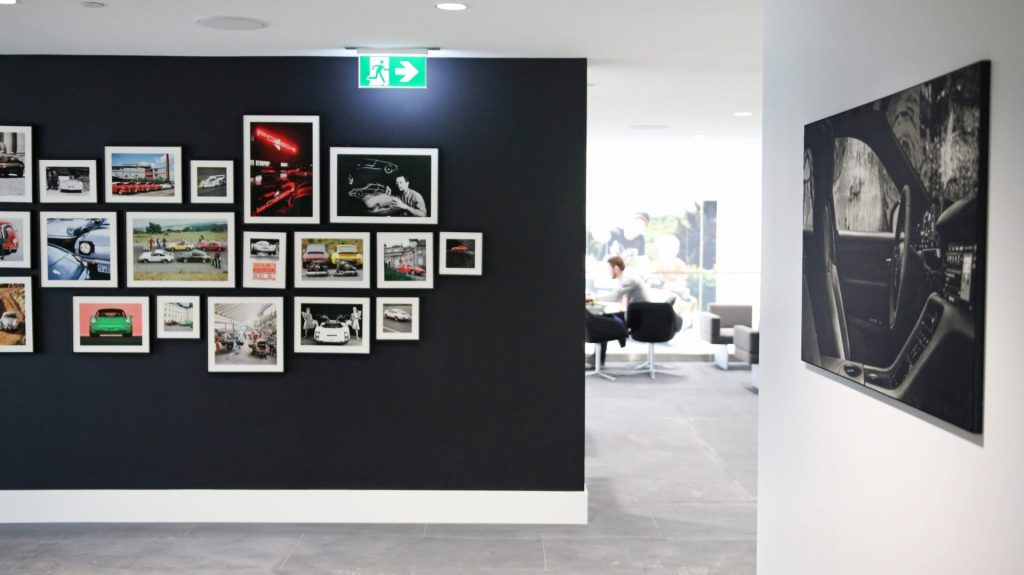
Your visitor arrived eleven minutes early. That’s eleven minutes sitting at your reception, with nothing to do but look. The drywall corner is scuffed at trolley height. The logo behind the front desk is two rebrands old. The feature wall was beige once, and the sun has been negotiating with it ever since. Nobody says a word about any of it. But by the time you walk that visitor to the boardroom, they’ve already re-priced you. Quietly. Downward.
If the space is your responsibility, its impression becomes your reputation. Property managers, office managers, dealership GMs, landlords: you know exactly which wall we’re describing, because you walk past it every morning and wince. This post covers what visitors actually decide in that first minute, why brand walls and heritage walls change the math, and how to rebuild the impression without a renovation.
Key Takeaways
- A US study by the UC Economics Center found businesses that improved their signage reported increases in sales, profits, and transactions of roughly 10 per cent (UC Economics Center via the Sign Research Foundation, 2012). Visual impression is a revenue variable, not decoration.
- Visitors form a judgment of your business before anyone speaks. Your lobby makes your opening argument for you, or against you.
- Brand walls, heritage walls, and feature walls turn dead wall space into evidence: who you are, how long you’ve lasted, how you carry yourself.
- Architectural film resurfaces lobby walls without demolition, contractors, or a closed front entrance. Overnight installs are possible.
What Do Visitors Decide Before the Meeting Starts?
More than you’d like. In the minute a visitor spends standing at reception, they’re pricing you: how established you seem, how carefully you run things, how much room there is to negotiate. The research supports the instinct. A US study by the UC Economics Center found that businesses making signage improvements reported sales, profit, and transaction increases of roughly 10 per cent (UC Economics Center via the Sign Research Foundation, 2012). What people see changes what they buy, and what they’ll pay.
That study looked at signage, but the mechanism is the same one operating in your lobby. A visitor can’t inspect your operations, your service record, or your books. So they inspect what they can see. The wall behind reception becomes a proxy for everything they can’t verify, which is nearly everything.
Here’s the uncomfortable part. This judgment happens whether you’ve curated the space or not. A blank scuffed wall isn’t neutral. It’s an answer to a question your prospect didn’t ask out loud: “how much does this company sweat the details?”
If you already know which wall of yours is answering badly, book a complimentary consultation and we’ll walk the space with you.
Why Does a Dated Lobby Read as a Dated Business?
Because visitors reason from the visible to the invisible. It’s not fair, but it’s how first impressions work: if the entrance looks like it stopped getting attention in a previous decade, people assume the same about the operation behind it. Tenants extend that logic to the whole building. Candidates extend it to the whole employer. Prospects extend it to your pricing, and start looking for the discount your walls just promised them.
We wrote about the same effect in a smaller box in our post on why tenants judge a building by its elevator. The lobby is that effect at full scale, with better lighting and a longer wait.
The good news hides inside the same mechanism. If visitors reason from walls to business, then walls are a lever you can actually pull. You can’t make a prospect read your case studies in the lobby. You can make the lobby itself become one.
Brand Walls, Heritage Walls, Feature Walls: Which One Does Your Space Need?
Three tools, three jobs. All of them convert the most-stared-at surface in your building from dead space into evidence.
The brand wall
A brand wall puts your identity where the sightline already lands: logo, colour, message, applied at architectural scale behind reception or along the main corridor. It answers the visitor’s first silent question, “am I in the right place, and is this place serious?”, before anyone speaks. For multi-site brands it also standardizes the welcome; we covered that angle in our post on refreshing retail across many locations.
The heritage wall
A heritage wall tells your story in a single pass: founding imagery, milestones, the work that built the name. We practise what we’re selling here. The cover photo on this post is the heritage wall in our own office, a full-wall graphic in the employee area of our Richmond Hill facility, layering C17’s history where our team and our visitors pass it daily. We installed it for the same reason we recommend it: sixteen years in business is an asset, and an asset belongs on display. Longevity is credibility a competitor can’t print overnight.
The feature wall
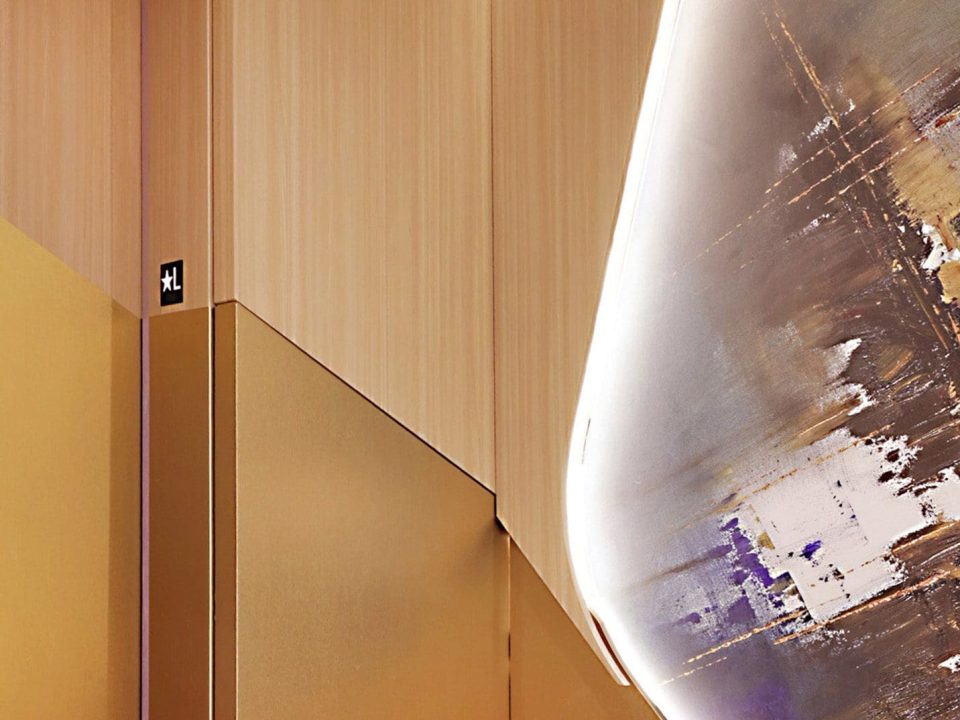
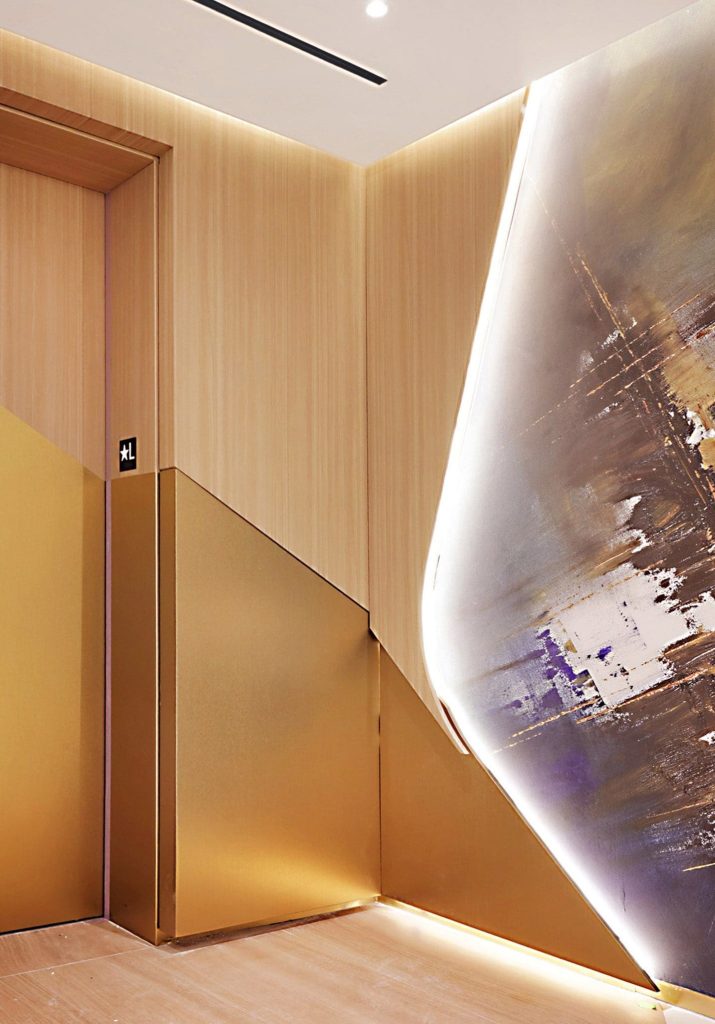
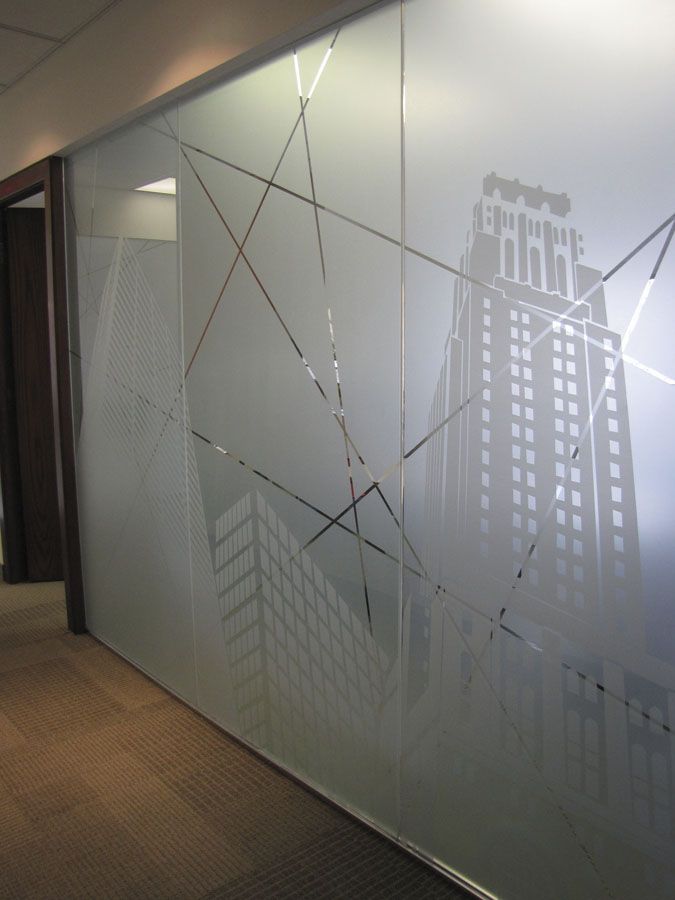
A feature wall works through material rather than message: wood grain, stone, brushed metal, applied to drywall, panels, or columns to make one surface carry the room. No logo required. The wall simply says “someone designed this space on purpose,” and visitors extend that verdict to everything else. You can see all three formats across our portfolio.
Rebuilding a Lobby Wall Without a Renovation
You resurface it. In most lobbies the walls aren’t failing structurally; they’re failing visually. That’s exactly the problem 3M DI-NOC architectural film was built for, and it’s the question on our architectural services page: why replace when you can resurface?
DI-NOC is an 8-mil, multi-layer, adhesive-backed vinyl film that replicates wood grain, natural stone, metal, and hundreds of other finishes, with more than 800 realistic patterns including over 300 wood designs (Designtex). It applies to drywall, doors, panels, columns, elevators, and most smooth non-porous surfaces, and carries an expected performance life of 12 years for indoor vertical applications (Designtex). That’s not wallpaper. That’s a finish specified by architects.
For the person who owns the space, the practical case is blunter. With film you’re considering material and installation cost only: no contractor, no demolition, no construction. Lobbies can be transformed in a fraction of a renovation timeline, and overnight installs are possible, which means the front entrance never stops being a front entrance. There’s a sustainability upside too: resurfacing extends the life of walls and panels you already own instead of sending them to landfill. C17 is Toronto’s premier installer of 3M DI-NOC finishes, per our architectural services page, and our DI-NOC architectural film guide covers the material in full.
Why Do Premium Brands Hand C17 Media the Wall?
Some spaces need to go past resurfacing into full spectacle. Dealership showrooms are the clearest example, because the building itself is part of the product’s price tag.
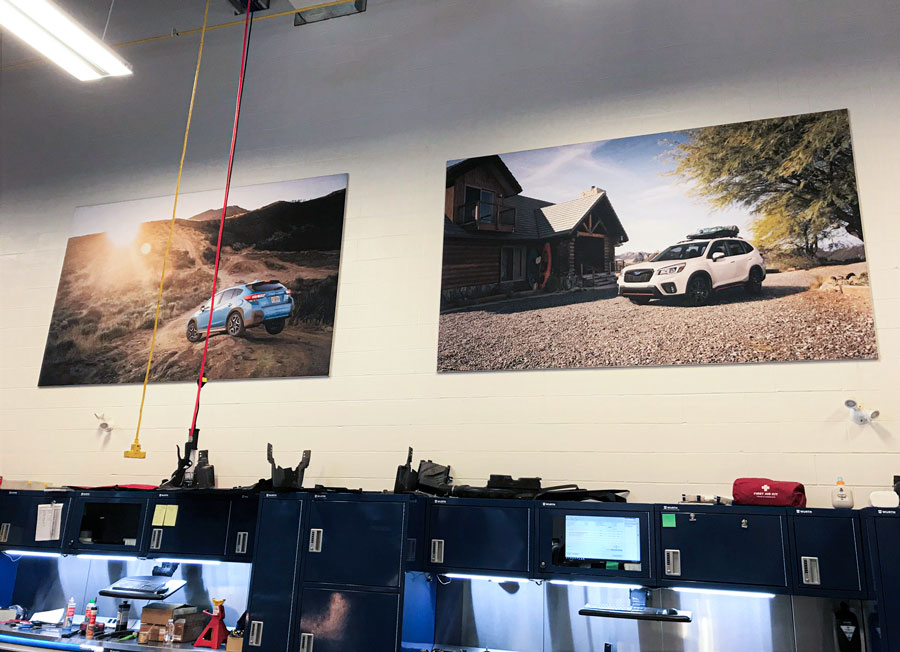
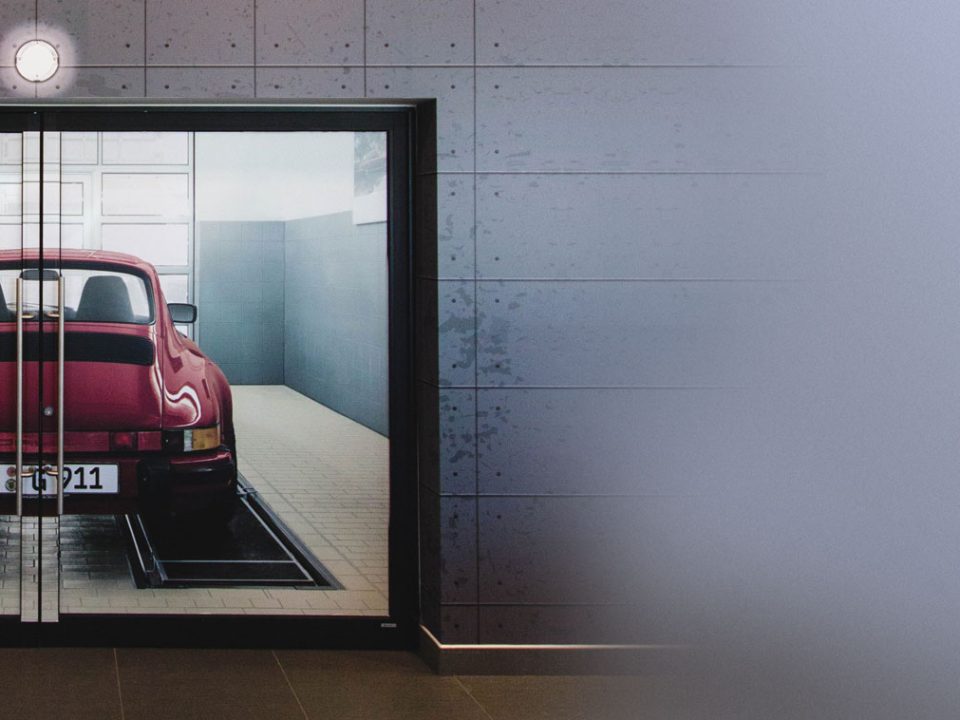
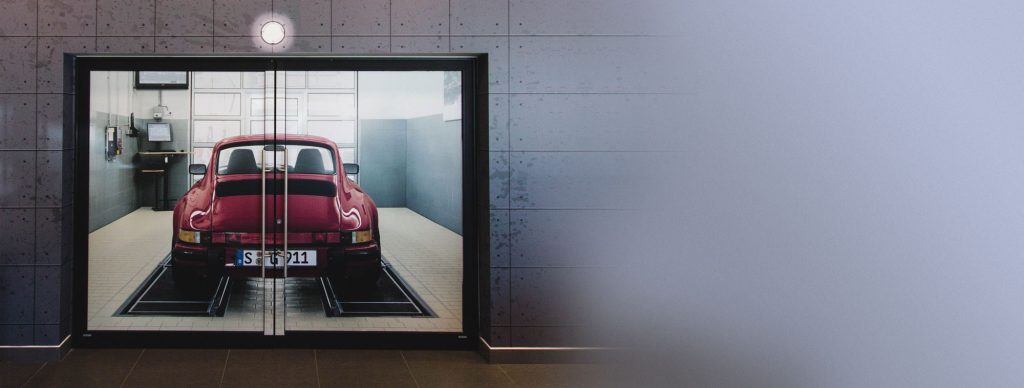
When Porsche Centre Markham was built, we produced and installed its showroom fabric displays, backed by our in-house large format printing in the same 15,000 square foot facility. Retail brands lean on the same playbook at counter scale: Shiseido Canada trusts us with its premium retail print, and Country Style runs national franchise campaigns through our floor. Across sixteen years we’ve produced for more than 40 recognized brands, including Shopify and Hudson’s Bay, and our Google reviews average 4.8 stars. Not because every wall is enormous. Because every wall is somebody’s first impression, and we treat it that way.
What a New Wall Won’t Fix
An honest note before you call anyone. A stunning brand wall cannot rescue a chaotic front-of-house. If visitors sign in on a clipboard nobody collects, wait fifteen minutes past their appointment, and get walked past open storage on the way to the boardroom, the wall just becomes expensive irony. Fix the process and the wall together; each one makes the other believable.
Film has limits too. It bonds to smooth non-porous surfaces such as metal, wood, interior glass, and high-pressure laminates (Designtex), so heavily textured or damaged substrates may need prep or a different approach, and specifiers should consult 3M’s technical data for fire performance. Part of what you’re hiring, when you hire an installer, is someone who’ll tell you where film doesn’t belong. That candour is how we’ve operated since 2010.
Frequently Asked Questions
What is a brand wall?
A brand wall is your identity applied at architectural scale: logo, colour, and message installed on the wall visitors face first, usually behind reception. It answers the silent “is this company serious?” question before anyone speaks, and it converts the most-viewed surface in your building from blank drywall into a working asset.
What’s the difference between a heritage wall and a feature wall?
A heritage wall tells your story: founding imagery, milestones, years in business, arranged as a single large graphic. A feature wall works through material instead, using finishes like wood grain or stone to make one surface elevate the whole room. Heritage walls argue credibility. Feature walls argue taste.
Can architectural film really go straight onto lobby drywall?
Yes. DI-NOC applies to drywall, doors, panels, columns, and most smooth non-porous surfaces including metal, wood, interior glass, and high-pressure laminates (Designtex). Surface condition matters, which is why we assess and prep walls before quoting an install.
How long will a resurfaced lobby wall last?
DI-NOC carries an expected performance life of 12 years for indoor vertical applications (Designtex). Lobby walls are exactly that use case: indoor, vertical, and viewed far more often than they’re touched.
Will the installation close our lobby?
Typically no. Film installation involves no demolition, no contractors, and no construction, so spaces can be revamped in a fraction of a renovation timeline, and overnight installs are possible. Your reception can greet visitors Friday, transform over the weekend, and greet different-feeling visitors Monday.
How many finishes are there to choose from?
More than 800 realistic patterns, including over 300 wood designs, plus stone, metal, and abstract finishes (Designtex). We bring physical swatches to site walkthroughs so you can hold options against your actual walls and lighting before deciding anything.
Can you combine film with printed wall graphics?
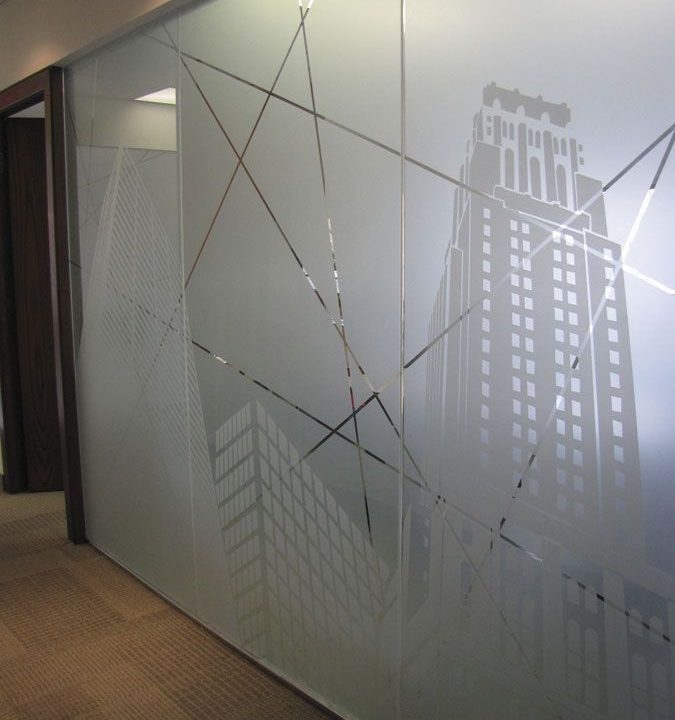
Yes, and lobbies often benefit from both: film for the material finish, printed graphics for imagery and message. Because C17 runs architectural installation and large format printing under one roof, one team designs, produces, and installs the whole wall.
The First Minute, Reclaimed
Your lobby is going to make an argument tomorrow morning whether you brief it or not. The only question is whose side it argues. Right now, a scuffed wall is negotiating against you before you’ve entered the room. A brand wall, a heritage wall, or a resurfaced feature wall puts that same minute to work for you instead, and it does so without a renovation, a contractor, or a closed entrance.
Start with a walkthrough, not a commitment. We’ll visit your space anywhere in Toronto, Markham, Vaughan, Mississauga, or Richmond Hill, put sample swatches in your hands, and tell you honestly what film can and can’t do for your walls. Book it through our contact page, call 905-597-2178, or email hello@c17media.com, Monday to Friday, 9:00 to 5:30. The next visitor is already on the calendar. Decide what your lobby tells them.