Stadium & Arena Branding in Toronto: Transforming the GTA’s Premier Sports & Collegiate Venues
July 13, 2026
Does Your Lobby Cost You Deals Before Meetings Start?
July 24, 2026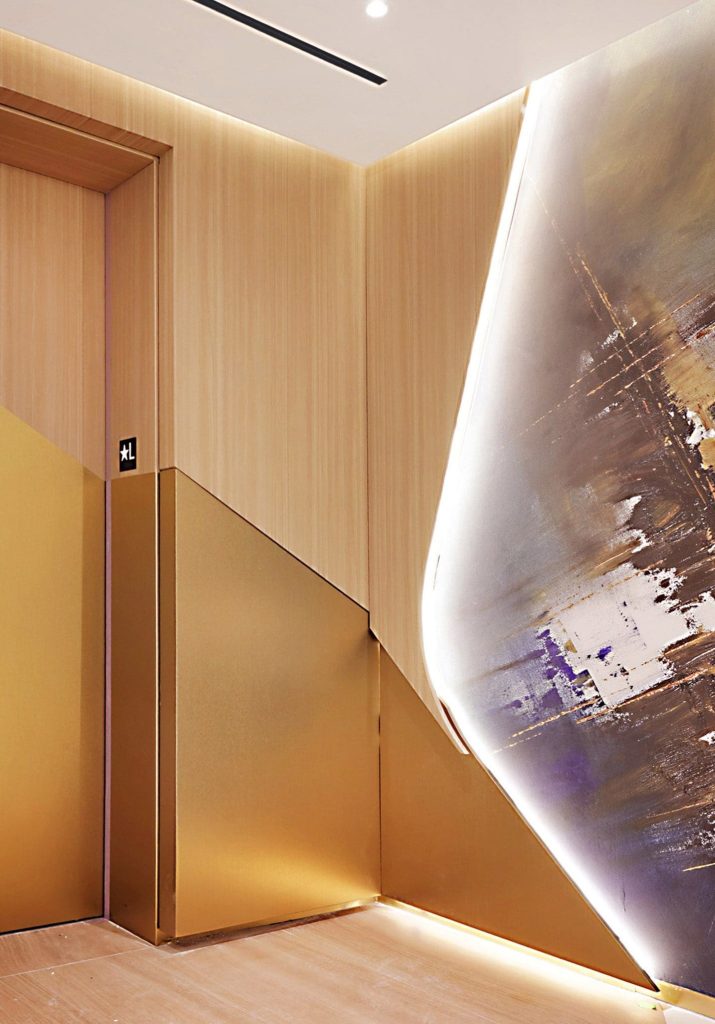
The leasing tour was going well. Good prospect, strong fit, a signature that mattered. Then the elevator doors closed. The ride up in a scuffed cab: dented panels, laminate peeling at the corners, someone’s initials scratched beside the buttons. Nobody said a word. Nobody needed to. By the time the doors opened at the top, the building had made a first impression you never approved, and it made the same one yesterday, and it will make it again tomorrow, to every tenant, visitor, and prospect who steps inside.
If the building is your responsibility, its impression becomes your reputation. This post is about the smallest, most-seen room you manage: why it carries outsized weight in lease conversations, and how Toronto property managers are resurfacing tired cabs and elevator lobbies without hoarding, demolition, or an out-of-service sign.
Key Takeaways
- The elevator is the one space every tenant and visitor experiences up close, daily, with nothing else to look at. A scuffed cab reads as neglect, and tenants extend that judgment to the whole building.
- 3M DI-NOC is an 8-mil, multi-layer, adhesive-backed vinyl film that applies to elevators, doors, and panels, replicating wood grain, natural stone, and metal (Designtex).
- Designtex lists an expected performance life of 12 years for indoor vertical applications (Designtex).
- Resurfacing works around building hours: no contractor, no demolition, no construction.
Why Does One Small Room Carry So Much Weight?
Because it’s the only room in your building with a captive audience. A lobby gets walked through. A corridor gets passed. The elevator holds people still, shoulder to shoulder, for the length of the ride, with nothing to do but look at the walls. Every tenant takes that ride twice a day. Every prospect takes it on the tour. Every visitor takes it before the meeting starts.
And what they see, they extrapolate. A dented, scuffed cab doesn’t read as one overdue maintenance item. It reads as a policy. Tenants quietly wonder what else is being deferred: the HVAC, the roof, the response time when their own unit has a problem. Fair or not, the cab becomes evidence, and it testifies at every renewal negotiation. We’ve written before about how a lobby prices your business before the meeting starts; the elevator does the same thing with the doors shut.
Here’s the uncomfortable part. You already know which of your cabs would embarrass you on a tour. If one just came to mind, book a complimentary site walkthrough and we’ll look at it with you, swatches in hand, before you commit to anything.
What Is 3M DI-NOC, and Why Does It Belong in Elevators?
3M DI-NOC is an 8-mil, multi-layer, adhesive-backed vinyl film used as a decorative surface finish. It replicates wood grain, natural stone, metal, and hundreds of other materials, with more than 800 patterns in the line, including over 300 wood designs (Designtex, authorized 3M partner). Installed well, it gets mistaken for the material it’s imitating.
The part that matters to building managers is where it goes. Designtex lists elevators by name among the film’s applications, alongside doors, panels, columns, ceilings, and case goods, because DI-NOC bonds to most smooth, non-porous surfaces: metal, wood, interior glass, and the high-pressure laminates lining most cab interiors (Designtex). In other words, the surfaces inside an elevator cab and around an elevator lobby are exactly what this product was built for.
C17 Media is Toronto’s premier installer of 3M DI-NOC architectural finishes, as we state plainly on our architectural services page. Want the full technical picture first? Our DI-NOC architectural film guide covers patterns, surfaces, and preparation in detail.
The Real Enemy: The Out-of-Service Sign
Ask a property manager what they dread about an elevator refresh and the answer is rarely the cost of panels. It’s the sign. Take one car out of service in a busy building and everything downstream degrades at once: longer waits, crowded cabs at nine a.m., accessibility complaints, and a steady drip of emails with your name in the To line. A conventional renovation adds hoarding in the lobby, dust, trades working on someone else’s schedule, and a completion date that behaves like a suggestion.
Resurfacing deletes most of that equation. With DI-NOC you’re only considering material and installation cost: no contractor, no demolition, no construction, and installs that can run overnight so a space is revamped in a fraction of a conventional renovation timeline (our architectural services page). The practical effect is the one that matters. The building keeps working while the work happens. Tenants leave on Friday past a tired cab and arrive Monday to a new one, and nobody routed around a closed car for a month.
Elevators aren’t the only place this logic applies, either. We’ve broken down the same downtime math for office refreshes that skip the weeks of closure.
An Elevator Refresh in Practice
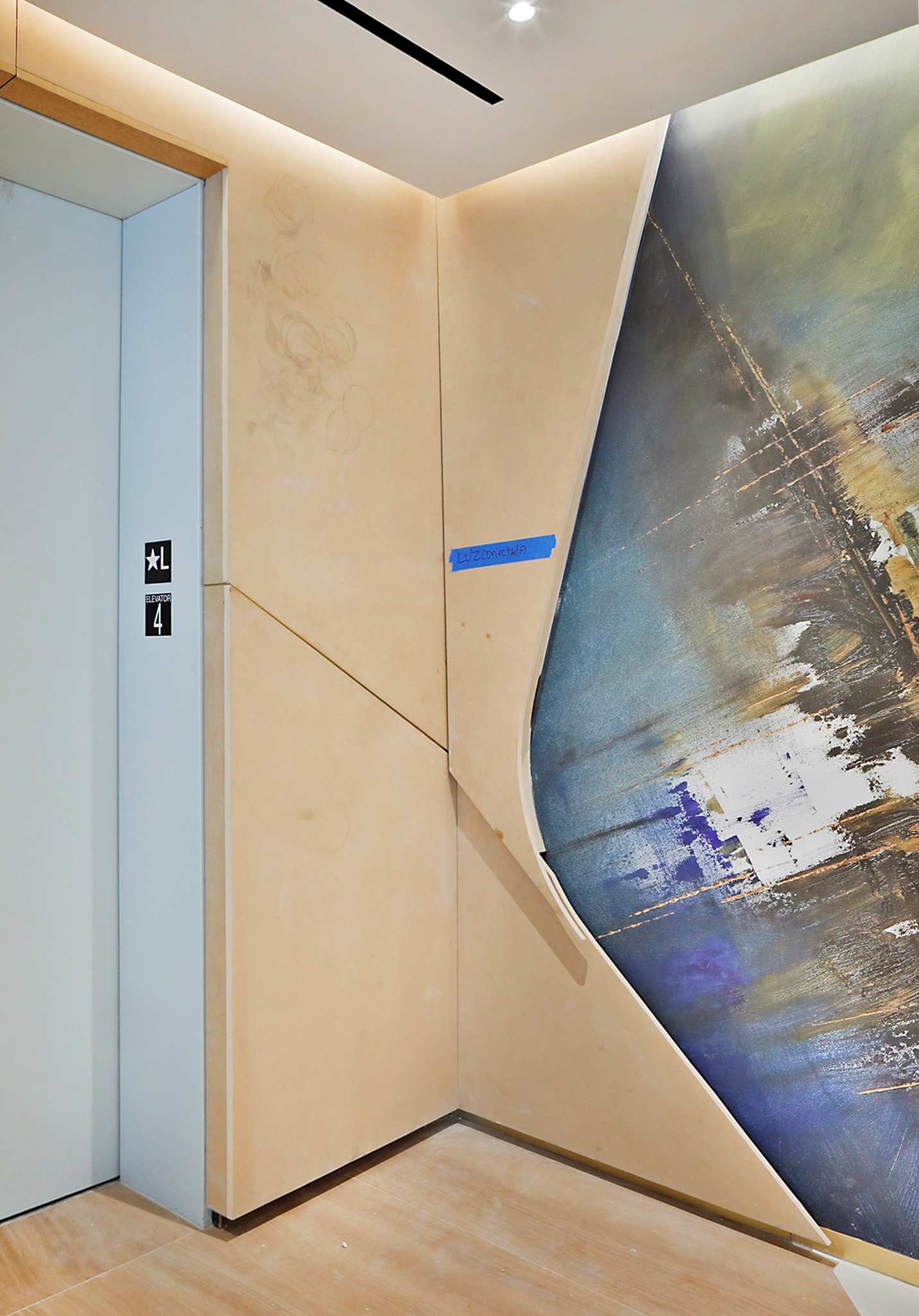
Here’s a recent elevator lobby resurfacing project of ours in the GTA. The before photo tells a story every facility manager recognizes: scuffed raw panels, edges worn grey, painter’s tape still marking damage that kept getting logged and never getting fixed. It’s the kind of corner tenants stop seeing and prospects see instantly.
The same corner now wears wood-grain DI-NOC with brushed gold accents. That’s the finish in this post’s cover image. Nothing was demolished. The existing panels stayed exactly where they were; the film went over them and changed what the space says about the building. Where the old surface said deferred, the new one says managed. Same square footage, same substrate, a completely different lease conversation.
And what did the tenants notice during the project? Almost nothing. The installation was staged around the building’s hours, the lobby stayed open, and the elevators kept running. That’s the whole argument in one corner.
Why Replace When You Can Resurface?
That question is our tagline, and it’s a genuine cost argument rather than a slogan. Replacement means demolition, disposal, new material, multiple trades, and time. Resurfacing means two line items: the film and the installation (our architectural services page). It also means the old panels stay out of landfill. Refreshing an existing surface extends its service life instead of scrapping it, which makes this the rare renovation decision that satisfies both the budget and the sustainability report.
One honest caveat, because we’d rather concede it here than discover it on your site walkthrough: film is not the answer to everything. DI-NOC needs a smooth, sound, non-porous surface to bond to, so crumbling substrate, deep gouges, or water damage need repair first. A cab with mechanical or code issues needs a mechanic before it needs a finish, and some renovations genuinely require construction. Resurfacing is the answer for the far more common case: a structurally sound space that simply looks tired.
Why Choose C17 Media for Elevator Work?
A thin film shows every shortcut underneath it. Seams, bubbles, and lifting edges are what happens when a premium product meets a rushed installation, and in an elevator, people stand close enough to notice everything. The finish you’re really buying is the installer’s discipline.
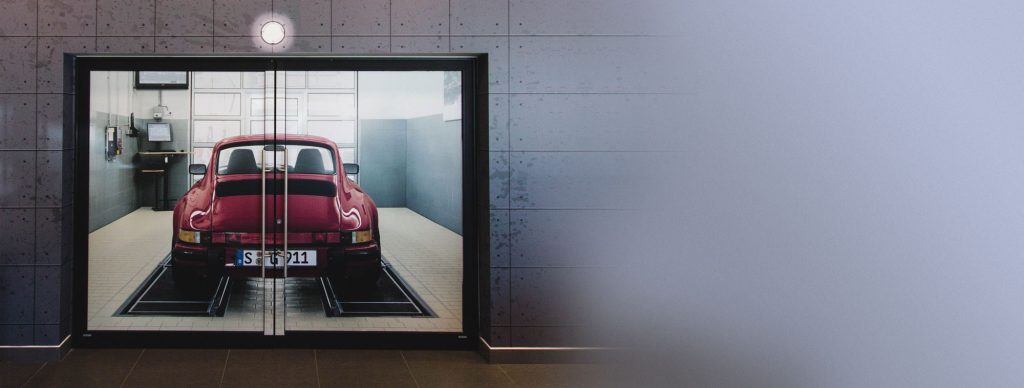
C17 Media has been doing this work since 2010. Sixteen years, more than 40 recognized brands including Shopify and Hudson’s Bay, dealership programs like Porsche Centre Markham, and premium retail work for Shiseido Canada, all run from a 15,000 square foot facility in Richmond Hill, with a 4.8-star Google review average. You can browse the portfolio and read how the company got here. None of that is decoration. It’s the difference between a finish that gets mistaken for millwork and one that gets picked at in the corner.
Frequently Asked Questions
Can DI-NOC really be applied inside an elevator cab?
Yes. Designtex, an authorized 3M partner, lists elevators by name among DI-NOC’s applications, along with doors, panels, columns, and ceilings. The film bonds to most smooth, non-porous surfaces, including the metals and high-pressure laminates that line most cab interiors (Designtex).
How long does the film last once installed?
Designtex states an expected performance life of 12 years for indoor vertical applications (Designtex). Elevator cab walls and lobby panels are exactly that: indoor and vertical. Realizing that lifespan still depends on proper surface preparation and professional installation.
Do the elevators have to shut down during installation?
No. This is where resurfacing earns its keep. There’s no demolition or construction involved, and installs can run overnight or around building hours (our architectural services page). Projects are staged so the building keeps functioning while the work happens.
How many colours and patterns are available?
More than 800 patterns, including over 300 wood designs, plus natural stone, metal, and abstract finishes (Designtex). We bring physical swatches to site walkthroughs so you can hold options against your existing lobby finishes before deciding anything.
What about fire performance requirements for elevator interiors?
We deliberately make no fire-rating claims in a blog post. Specifiers should consult 3M’s technical data for fire performance and confirm requirements with their code consultant. What we can do is supply that documentation alongside your quote so your compliance review has what it needs.
Are there surfaces where film is the wrong choice?
Yes, and we’ll tell you on site. DI-NOC needs smooth, sound, non-porous surfaces such as metal, wood, interior glass, and high-pressure laminate (Designtex). Porous, crumbling, or water-damaged substrates need repair first, and some renovations genuinely call for construction instead.
Does C17 handle more than elevators and lobbies?
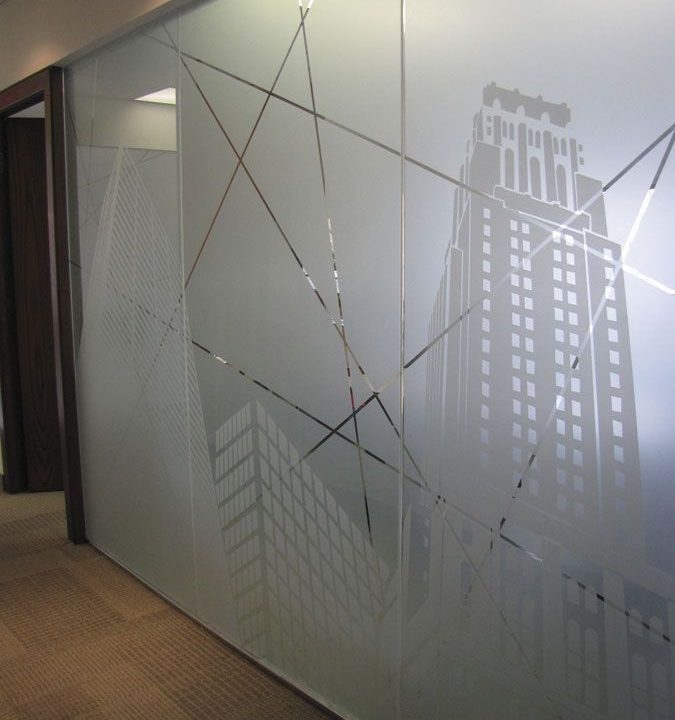
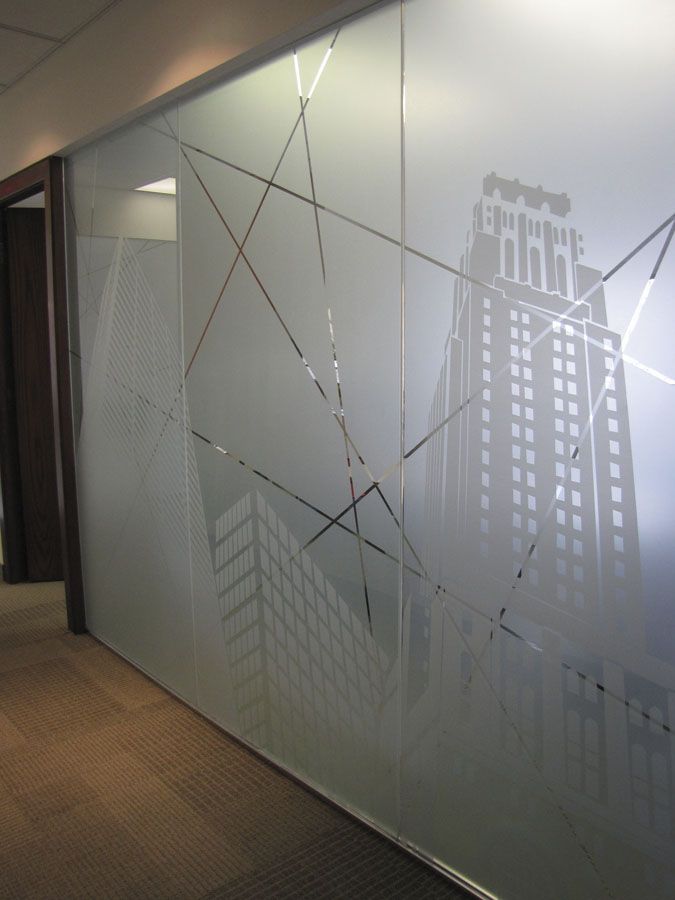
Much more. Feature walls, doors, columns, reception desks, and whole-office refreshes, plus specialty glass treatments like bird-friendly distraction markers. Architectural finishes sit alongside our full print and graphics services under one roof, so one team can carry a building-wide program.
The Elevator Is the Interview
Every day, your building gives a short interview to everyone who rides it, and the cab does all the talking. The only question is whether it’s saying what you would say. A resurfaced cab won’t renew a lease on its own. It just stops quietly arguing against you every single morning.
If a specific cab or elevator lobby came to mind while you read this, let’s stand in it together. We’ll do a complimentary walkthrough, bring DI-NOC swatches you can hold against the existing finishes, and give you a straight answer on whether film is the right fix, all before you commit a dollar. Reach us through our contact page, call 905-597-2178, or email hello@c17media.com, Monday to Friday, 9:00 to 5:30. The next tour is coming either way. Choose what the doors open onto.