Large Format Printing in Richmond Hill: A Buyer’s Guide
August 4, 2026
Custom POP Displays Toronto: A Retail Buyer’s Guide
August 27, 2026
You propose it in the capital planning meeting. Resurface the elevator cabs and lobby columns with 3M DI-NOC architectural film instead of tearing them out: no demolition, no hoarding, no closed floors. Heads are nodding. Then someone near the end of the table asks the question you knew was coming. “Isn’t that just a big sticker? Won’t it peel in a year?” Suddenly the whole approval hangs on your answer, because if the film fails early, the building doesn’t wear that decision. You do.
So here is the answer, straight and sourced, ready for the boardroom. This post covers where the durability figure actually comes from, what genuinely shortens a film’s life, which surfaces qualify and which honestly don’t, and why the installer matters as much as the material.
Key Takeaways
- 3M DI-NOC finishes carry an expected performance life of 12 years for indoor vertical applications (Designtex). Many commercial interiors get redesigned before that.
- This is not craft vinyl. DI-NOC is an 8-mil, multi-layer, adhesive-backed film engineered to perform as a surface finish, not a decal.
- Film life comes down to three controllables: the right surface, proper preparation, and professional installation.
- Exterior and horizontal applications wear differently, and not every surface qualifies. A trustworthy installer says so before quoting.
Is Architectural Film Just a Sticker?
No, and the construction is the reason why. Designtex, 3M’s authorized DI-NOC partner, describes the product as an 8-mil, multi-layer, adhesive-backed vinyl film engineered as a decorative surface finish, replicating wood grain, natural stone, metal and hundreds of other designs (Designtex). The line includes more than 800 realistic patterns, over 300 of them wood. A sticker is printed to be looked at. An architectural finish is engineered to be leaned on, wiped down, and clipped by a delivery cart on a Tuesday morning.
The confusion is understandable. Both are technically vinyl, in the way a bicycle and a transport truck both technically have wheels. The difference is the job the material was built to do. DI-NOC is specified by architects and designers as a finish for doors, panels, columns and elevator interiors, and its published performance data reflects that intent. If you want the full product primer, our 3M DI-NOC architectural film guide covers it in depth, and our architectural services page shows how we apply it across the GTA.
Want the fastest way to settle the sticker question? Hold the material. Book a complimentary consultation and we’ll bring sample swatches to your building in Toronto, Markham, Vaughan or Mississauga, so you can feel the difference before you commit to anything.
Where Does the 12-Year Figure Come From?
Not from an installer’s sales deck. Designtex publishes an expected performance life of 12 years for DI-NOC in indoor vertical applications (Designtex), and that is the only durability number worth repeating, because it comes from the people who answer for the product. When a claim has to survive a skeptical boardroom, its source matters as much as its size.
Now think about what 12 years means inside a working building. Painted corridors typically get scuffed and repainted on a much shorter rhythm. Tenants turn over. Brands refresh their look. In our experience, commercial spaces are usually redesigned for business reasons long before a properly installed film reaches the end of its expected life. The finish outlasting the design intent is a strange kind of problem to have. It’s also the good kind.
One caveat, and it’s the honest one: that figure describes indoor vertical surfaces. A film on an elevator wall and a film on a sun-baked exterior door live very different lives, which is exactly why the qualifiers matter.
Here is how that 12-year figure shifts depending on where the film actually lives:
| Application | Expected life | Notes |
|---|---|---|
| Indoor vertical (walls, doors, columns) | 12 years | Published performance life (Designtex) |
| Indoor horizontal / high-touch (counters, desks) | Shorter | More friction and wear; consult 3M’s Technical Data Sheet |
| Exterior | Varies | Depends on pattern, climate, and sun exposure; consult 3M’s Technical Data Sheet |
What Shortens a Film’s Life?
Three things, mostly: the wrong surface, poor preparation, and abuse the finish was never specified for. Notice what those three have in common. None of them is the film. Early failures almost always trace back to decisions made before and during installation, so those decisions deserve most of your scrutiny.
The wrong surface. DI-NOC bonds to most non-porous smooth surfaces such as metal, wood, interior glass and high-pressure laminates (Designtex). Porous, crumbling or heavily textured substrates don’t give the adhesive what it needs. Put film on a surface that was never a candidate and it will fail, and the film will unfairly take the blame.
Poor preparation. Dust, grease, silicone residue, flaking paint. Any of these trapped between adhesive and substrate is a failure waiting for its schedule. Prep is invisible in the finished photos and decisive years later, which is why cutting it is the most expensive shortcut in this trade.
Abuse. An interior wall finish is not armour. Pallet jacks, chair backs, loading-corridor traffic: no decorative surface shrugs those off forever, whether it’s film, paint or stone veneer. If a wall takes that kind of punishment daily, say so during the site walkthrough and it can be planned around.
Qualifying Surfaces and Firm Boundaries
Film bonds to more surfaces than most people expect, with firm boundaries. Designtex lists case goods, ceilings, countertops, doors, elevators, drywall, signage, panels and columns among DI-NOC’s applications, bonding to most non-porous smooth surfaces including metal, wood, interior glass and high-pressure laminates (Designtex). That covers most of what makes a lobby, corridor or elevator cab look dated.
Now the boundaries, because pretending they don’t exist is how installers lose trust. Exterior surfaces face sun, weather and temperature swings, so their wear profile is different from the indoor vertical applications the 12-year figure describes. Horizontal surfaces like countertops accept film, but they take a harder daily life than a wall ever will, and expectations should be set accordingly. Raw, porous or failing substrates need to be corrected first or ruled out entirely. And on fire performance we make no claims at all: specifiers should consult 3M’s technical data directly.
Two more notes worth knowing. Glass has its own family of films with its own considerations, which we cover in our post on distraction markers and bird-friendly film in the GTA. And there’s a sustainability angle hiding in the durability question: resurfacing keeps an existing door, panel or cab in service instead of sending it to landfill, a point our architectural services page makes with the question that started this whole category. Why replace when you can resurface?
Why Does the Installer Matter as Much as the Film?
Here’s what the skeptic in your meeting gets right: a film applied badly really is just an expensive sticker. The published performance life assumes the material was matched to a qualifying surface, the substrate was properly prepared, and the application was done by people who do this for a living. Skip any of those and the manufacturer’s number stops applying to your project. That’s not fine print. That’s the whole game.
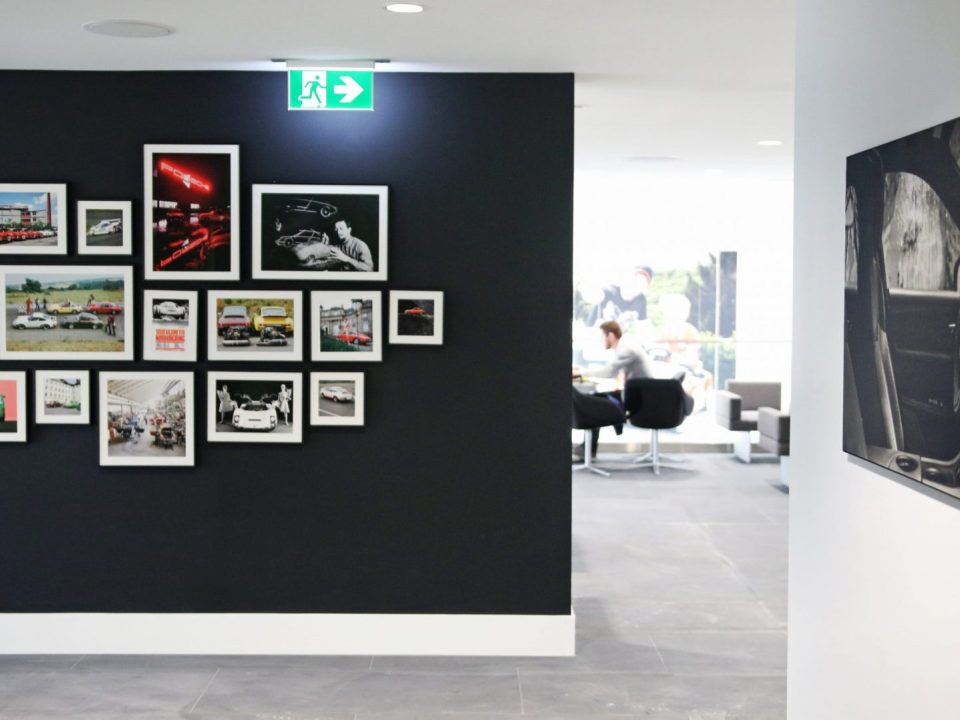
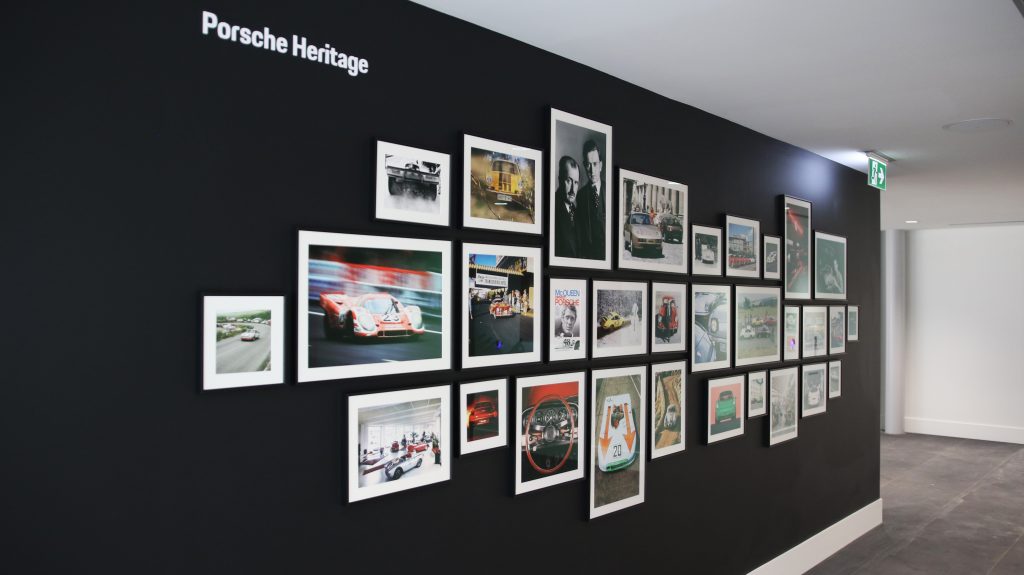
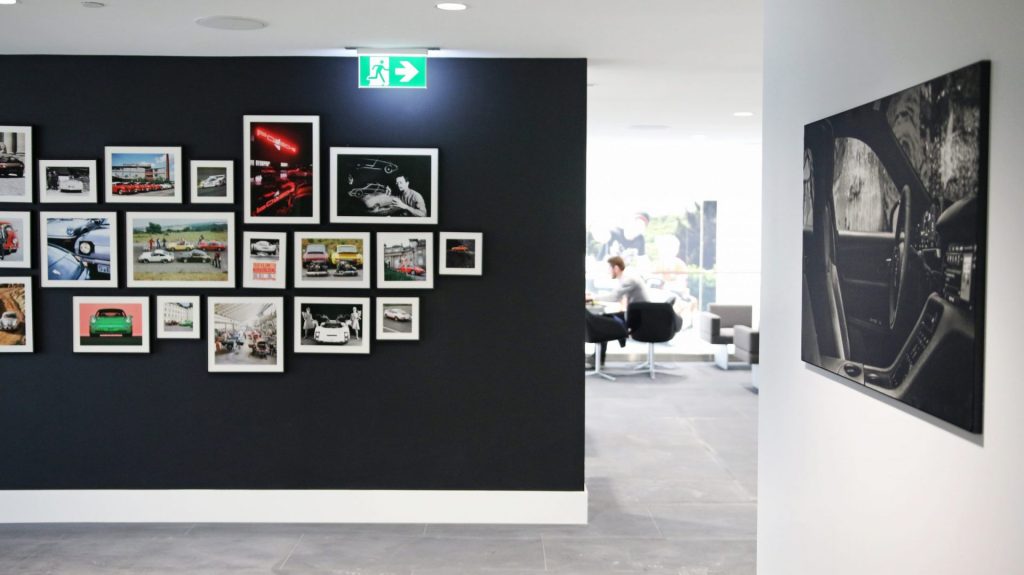
It’s also why we put our own record on the table rather than adjectives. C17 Media is Toronto’s premier installer of 3M DI-NOC architectural finishes, working from a 15,000 square foot facility in Richmond Hill since 2010. In sixteen years we’ve produced and installed for more than 40 recognized brands, including Shopify and Hudson’s Bay, delivered the dealership program at Porsche Centre Markham, and earned a 4.8-star Google average doing it. Browse our portfolio and judge the finish quality yourself, or read how the company grew on our about page.
Professional installation buys you one more thing property managers care about deeply: the work happens around your business hours. No contractor, no demolition, overnight installs where the schedule demands it. If downtime is the fear keeping your refresh on the shelf, our post on why an office refresh doesn’t have to mean weeks of downtime walks through exactly how that works.
Frequently Asked Questions
Is DI-NOC the same vinyl as decals and stickers?
No. Designtex describes DI-NOC as an 8-mil, multi-layer, adhesive-backed film engineered as an architectural surface finish (Designtex). A decal is made to be seen. DI-NOC is made to be touched, cleaned and lived with as the surface itself, which is why it carries a published performance life and decals don’t.
How long does architectural film last indoors?
Designtex publishes an expected performance life of 12 years for DI-NOC in indoor vertical applications (Designtex). Reaching it depends on correct surface selection, thorough preparation and professional installation, which is why those steps get more of our attention than the application itself.
Can architectural film be used outside?
Exterior surfaces wear differently than the indoor vertical applications the 12-year figure describes. Sun, weather and temperature swings are a harder life for any finish. Bring the specific surface to a consultation and we’ll tell you honestly whether film is the right tool or the wrong one.
What about countertops and other horizontal surfaces?
DI-NOC does apply to countertops and case goods (Designtex), but horizontal surfaces take more daily abuse than walls, so expectations differ from the indoor vertical figure. We’ll assess the actual surface with you and set honest expectations before anything is quoted.
What about fire ratings and code compliance?
We deliberately make no fire-performance claims in blog posts. Specifiers should consult 3M’s technical data for fire performance and keep that documentation in the project file. For any application where code compliance is in play, the manufacturer’s data sheet is the right reference, not a marketing page.
How many patterns are available?
More than 800 realistic patterns, including over 300 wood designs (Designtex), spanning wood grain, natural stone, metal and hundreds of other finishes. Whatever look your designer has specified, there is almost certainly a film that matches it. Swatches make the decision easier, so ask to see them in your own lighting.
Will installation shut down my space?
No demolition, no contractor, no construction: with resurfacing you’re only considering material and installation, and spaces can be revamped in a fraction of a renovation timeline, with overnight installs possible. Elevator cabs, doors and feature walls typically stay in service around the work.
Does film make sense across multiple locations?
Often better than anywhere else, because the same finish specification can be repeated identically across an entire footprint without closing stores. If you manage a multi-site brand, our post on why every retail refresh blows the budget tackles that problem directly.
The Answer for the Boardroom
So, how long do architectural films actually last? On qualifying indoor vertical surfaces, the manufacturer’s partner publishes an expected performance life of 12 years, backed by an 8-mil, multi-layer construction that has nothing in common with a novelty sticker except the word vinyl. What shortens that life is almost never the film. It’s the wrong surface, skipped prep, or an installer who treats architecture like a craft project. Control those three and the finish will likely outlast your design.
Give the skeptic in your meeting something better than an argument: give them the material. Book a complimentary site walkthrough through our contact page and we’ll assess your actual surfaces, flag the ones that don’t qualify, and leave sample swatches in your hand before you commit a dollar. Call 905-597-2178 or email hello@c17media.com, Monday to Friday, 9:00 to 5:30. Bring us the surface everyone assumes needs a renovation.